
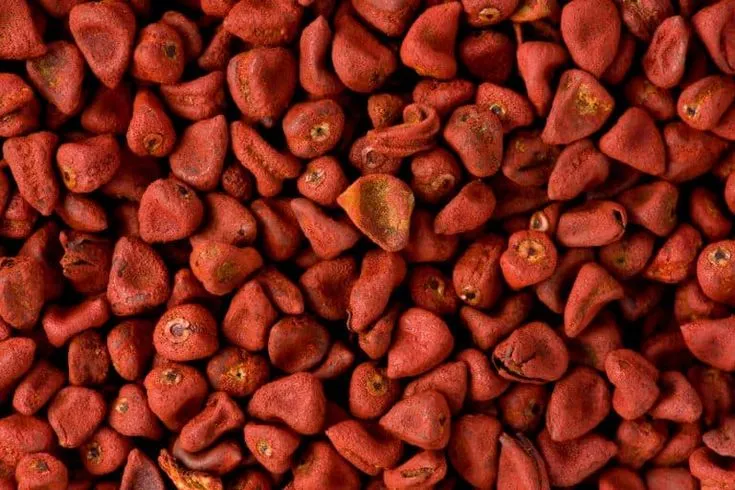
Food manufacturers now spend extra effort selecting ingredient sources with simpler labeling options. Customers notice ingredient lists faster than companies expected several years ago. Because of that shift, yellow food coloring ingredients from plants and seeds have become more attractive for commercial product development lately. Cheese snacks, sauces, baked goods, and frozen items often rely on thermal yellow tones for visual appeal. Many processors use annatto powder because it now makes earthy yellow and orange tones instead of relying entirely on synthetic color structures.
Powder-based coloring ingredients fit several manufacturing environments easily
Factories usually select components that are healthy without radical equipment change for some time. Liquids occasionally create management issues at some stage in a residential manufacturing facility’s dry spice or powder mixing operations. That explains why annatto powder is still useful in various applications even today. The ingredients can be added to spice coatings, dough mixes, and custom spice combinations with fewer handling changes required later. Some manufacturers also choose yellow feed-colored powders because storage and transportation conditions are less difficult to change at some point in a large production cycle.
Temperature and acidity still affect natural color performance significantly.
Natural pigments react differently depending on heat exposure and the stability of common product methods. Some food applications are brighter colors retained longer, while others later feel dull at some point during the storage period. Manufacturers typically conduct equivalence tests before scaling commercial production items to wider distribution markets. Yellow food requires coloring products to be tested for compatibility with the oils, acids, and preservatives used in the internal recipes. Many manufacturing teams choose annatto powder because the trend in the manufacturing business still has a very consistent visual appearance in snacks, dairy products, and dry food mixes.
Packaging presentation influences ingredient choices more than before.
Store cabinets now constantly contain a myriad of snacks and beverages competing for shoppers’ attention. The bright yet natural look helps packaged food stand out quickly, as long as there is an easy shopping choice. Some companies combine annatto powder with other plant-based color pigments for deeper golden sunshades in processed foods. Brands using yellow food coloring ingredients from recognizable sources also benefit from cleaner product positioning on labels and advertisements lately. Marketing departments increasingly coordinate with production teams before selecting final ingredient combinations for commercial product launches.
Smaller food businesses also test natural coloring ingredients regularly.
Natural ingredient demand no longer comes only from multinational food manufacturing corporations worldwide. Independent bakeries, local snack companies, and frozen dessert producers now experiment with plant-based color systems more frequently than before. Using annatto powder allows smaller brands to create warm visual tones without heavily modifying existing recipes immediately. Some kitchens are choosing natural yellow food coloring because customers are now asking more questions about additives during direct purchases. Even seasonal product launches often include vegetable or seed-derived coloring systems across specialty food categories.
Conclusion
Ingredient selection continues shaping product appearance, customer perception, and manufacturing flexibility across modern food industries today. foodrgb.com offers ingredient support and product information for businesses exploring practical coloring solutions suitable for commercial food applications. Manufacturers working with yellow food coloring ingredients often evaluate storage behavior, recipe compatibility, and processing stability before expanding production quantities commercially. Annatto powder remains one widely used option for brands wanting natural-looking yellow or golden shades in packaged food products. Compare ingredient specifications carefully, conduct controlled product testing properly, and consult experienced suppliers before making final manufacturing decisions for large-scale operations.